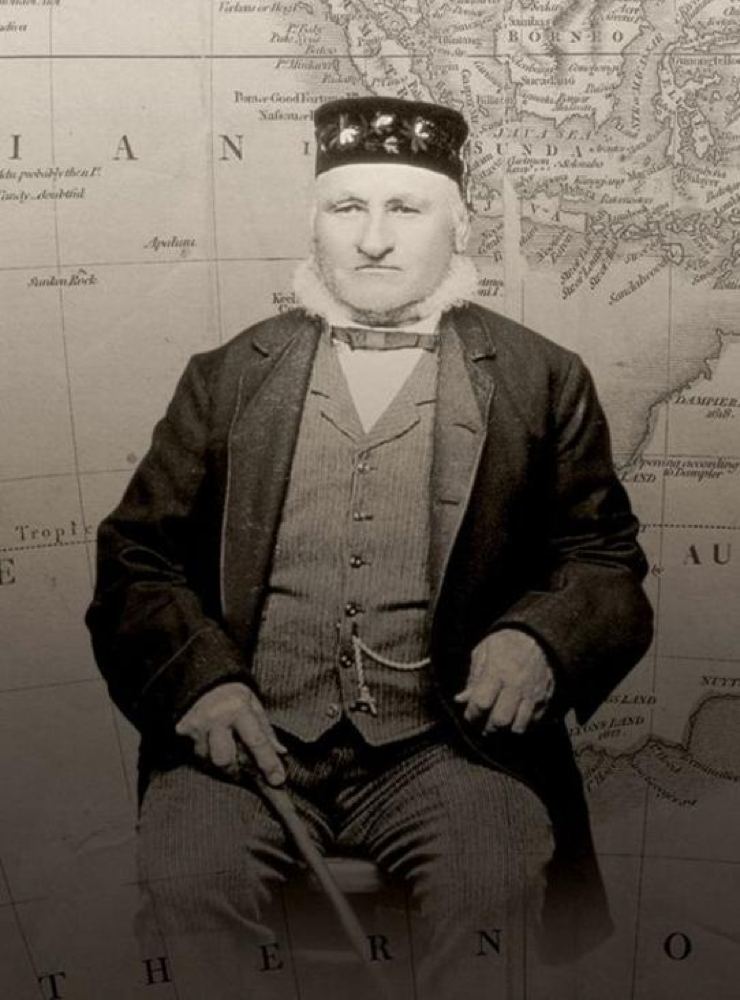
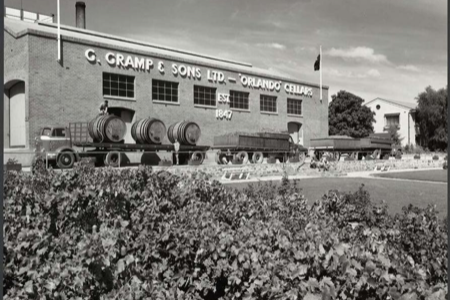
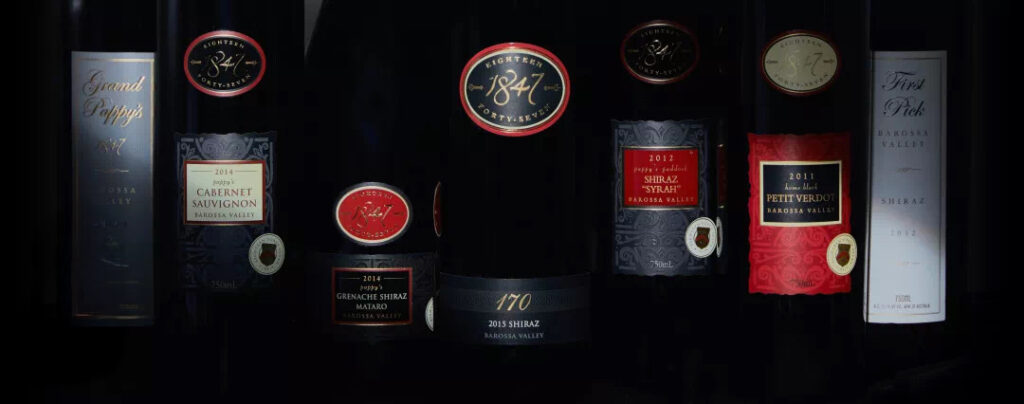
The land grant on our historic Rowland Flat property was proclaimed by the Governor in 1847. The origins of 1847 Wines begin with Bavarian immigrant Johann Gramp, who in 1847 planted the first commercial vineyard in the Barossa Valley. 1847 Wines has now grown to encompass 200 acres of premium estate vineyards that are the source of the majority of our premium wine portfolio. Immerse yourself in our 175-year history as you enjoy your experience with our outstanding cellar door team. Enjoy an opportunity to experience our portfolio of 1847 premium wines. Wines created to honour our winery heritage and to highlight our story which starts with the very origins of the Barossa Valley. After your tasting our guests are welcome to enjoy a walk around our beautiful gardens and estate.
Milestones
1847 History
Milestones
1847 History
1847
May 1st
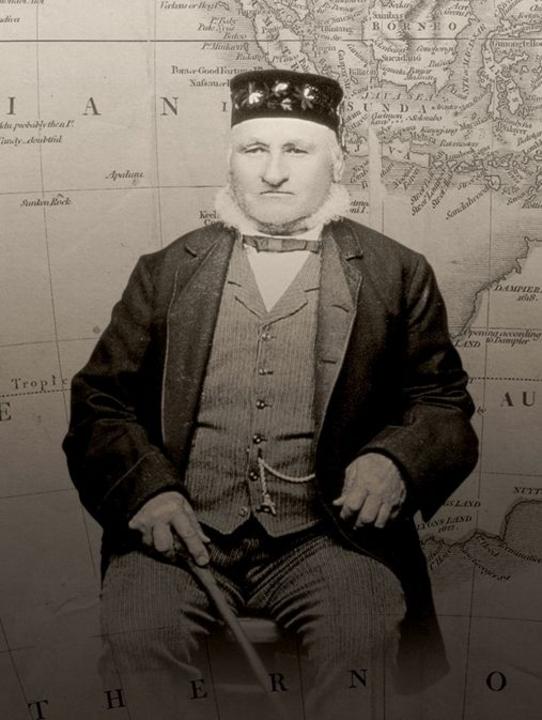
Bavarian immigrant Johann Gramp purchased 83 acres (approximately 33.6 hectares) of land in the Rowland Flat area along what is now known as Jacob’s Creek, where he planted the first commercial vineyard, marking the beginning of commercial winemaking in the Barossa Valley.
1850
April 4th
Johann Gramp harvested his first vintage and produced the first batch of Riesling, marking the beginning of commercial winemaking.
1874
January 22nd
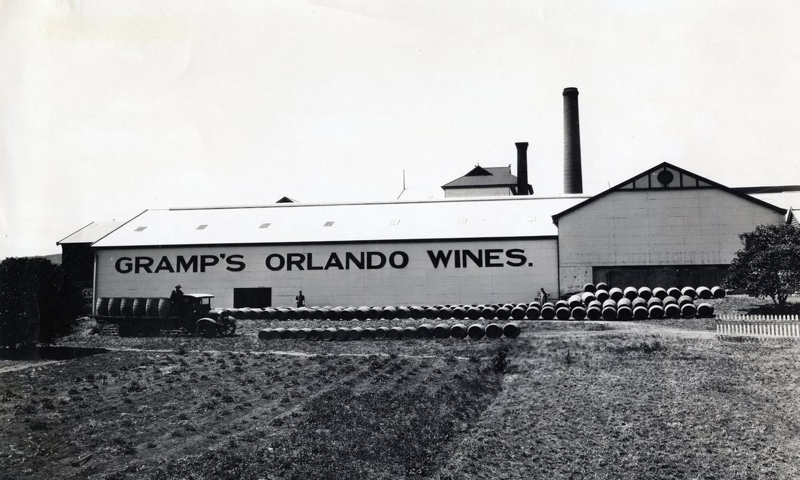
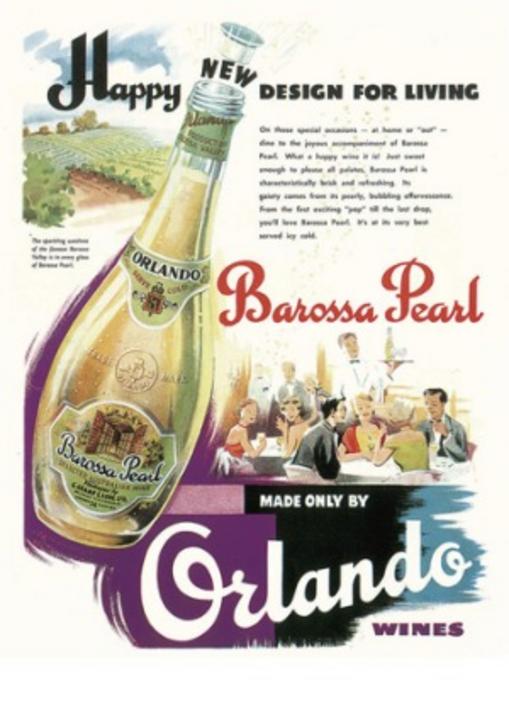
Johann gifted 44 acres of the estate to his son Gustav as a wedding present. Gustav established Orlando Wines, as Orlando is thought to mean “Roland” in German. Roland is the name that Rowland Flat came from.
1886
June 2nd
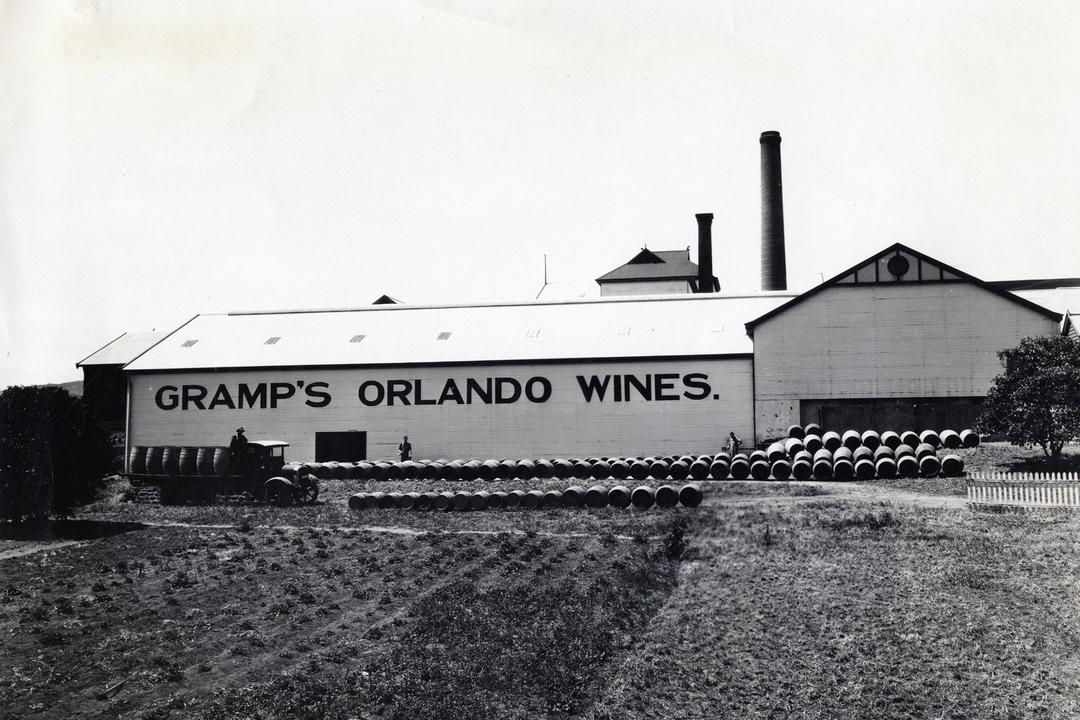
Gustav built a winery and cellar on the estate as the need for larger production and holding facilities were necessary with the expansion of Orlando Wine’s estate.
1903
November 4th
Johann Gramp passed away, and with his passing, his entire estate, which he grew to 535 acres of land were inherited by Gustav, now becoming part of Orlando Wines.
1912
June 3rd
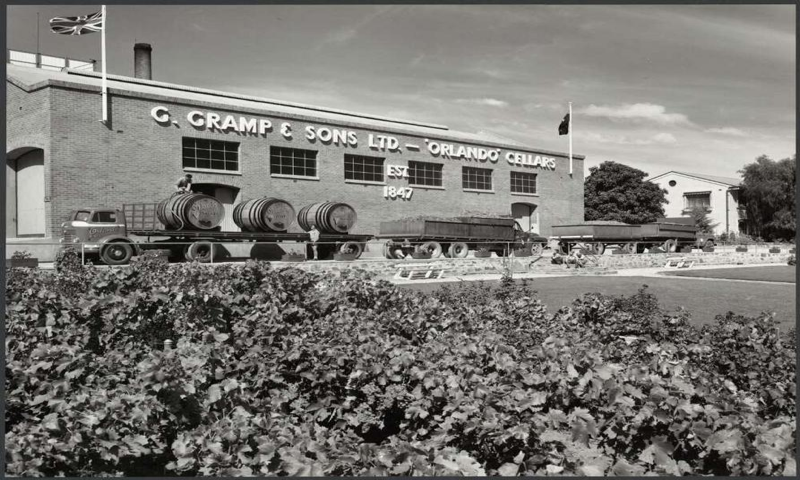
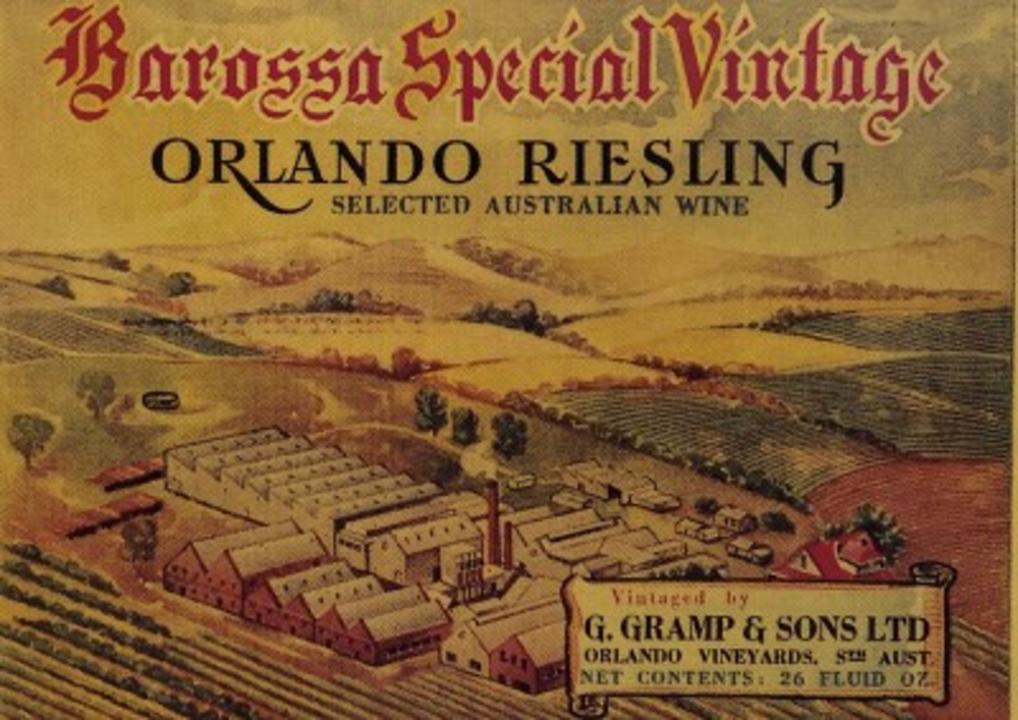
Gustav created a limited company called G. Gramps & Sons, which now ran Orlando Wines. Orlando Wines over the next century would be known as one of the top three Australian largest premium wine producers. Next two Penfolds and Lindeman’s, with the three of them being known as ‘P.O.L.’ group.
1927
October 11th
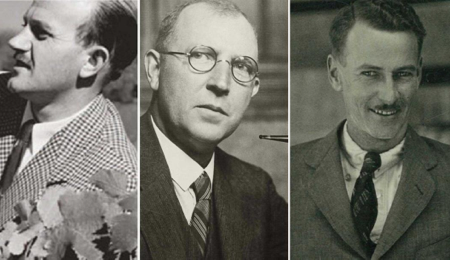
Gustav passed away, with the entire estate, limited company, and Orlando Wines being inherited by his sons: Hugo and Fred. Over the next decade, the pair would expand the business exponentially, reaching just shy of 16 million litres of wine being produced, with Hugo leading the winery as the chief winemaker.
1938
May 5th
Chief winemaker Hugo Gramp tragically died in a plane crash known as the “Kyeema” disaster. His vision of transitioning Australian wine from fortified styles to table wines had a profound and lasting impact on the industry. Also on board were two other prominent figures in the Australian wine world: Tom Hardy, head of Thomas Hardy and Sons, and Sidney Hill Smith, Managing Director of S. Smith and Son (Yalumba).
1947
October 15th
Fred Gramp appoints Hugo’s son, Colin, as technical director of Orlando Wines, alongside Fred’s son Sidney as Chief Winemaker.
1951-1954
Orlando Wines leads the Australian wine industry in technology and innovation as the Gramps use sparkling wine technology by importing temperature-controlled pressure fermentation tanks from Germany.
1971
June 8th
Throughout the 60’s, the Gramps invested heavily into Orlando Wines, purchasing a fully automatic bottling plant, fully automated wine press and Carbon dioxide carbon separator. Due to stretching their finances, they accepted the offer by Reckitt & Coleman Australia to sell Orlando Wines ownership to them. Reckitt and Coleman allowed for the Orlando Wines brand to finally reach international markets.
1988
May 10th
Orlando Wines was purchased from Reckitt & Coleman by the four directors of Orlando.
1989
February 15th
Orlando Wines is sold to Pernod Ricard, a French company, a company that had the capabilities to boost Orlando Wines within the international markets.
1990
January 11th
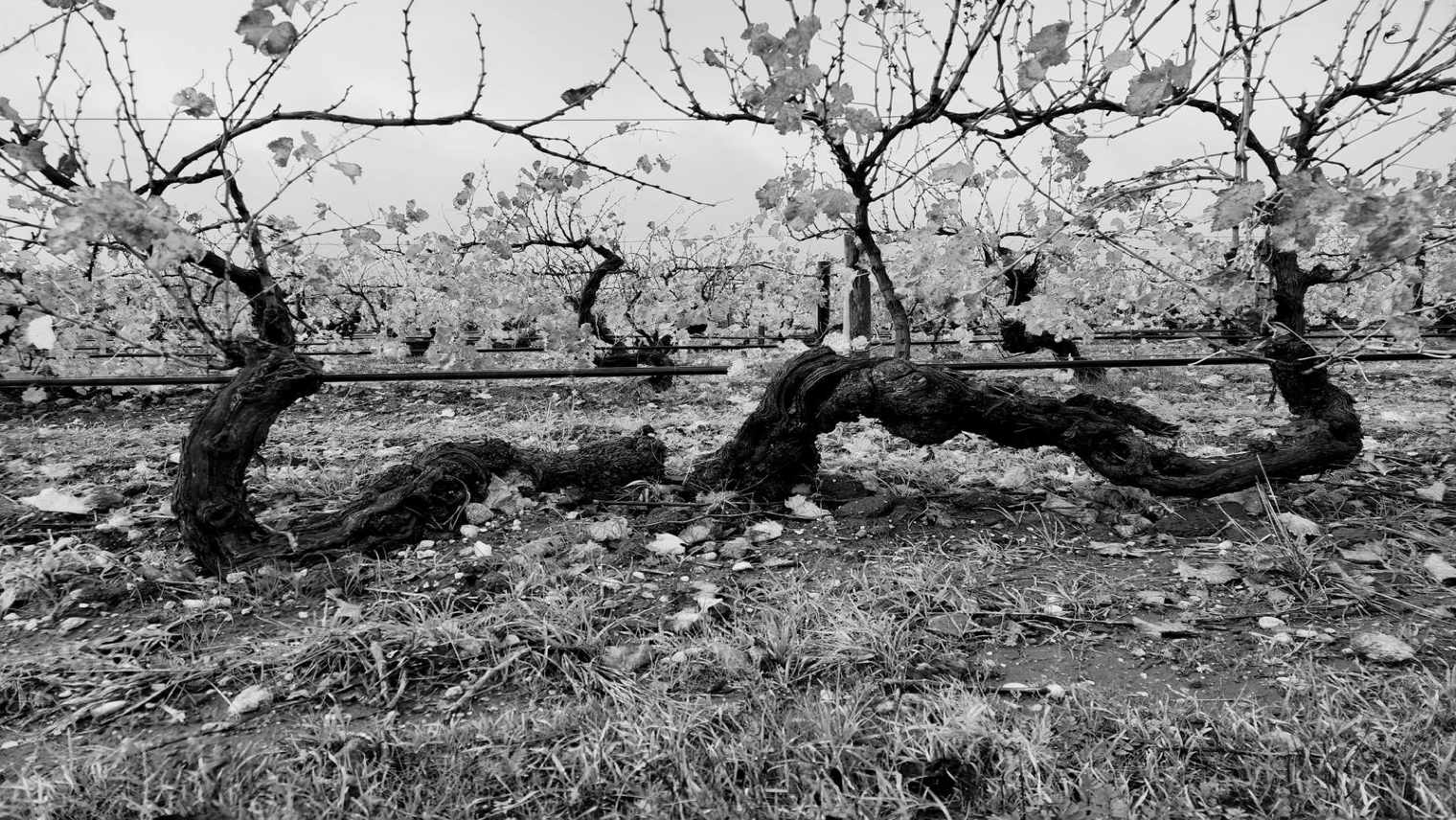
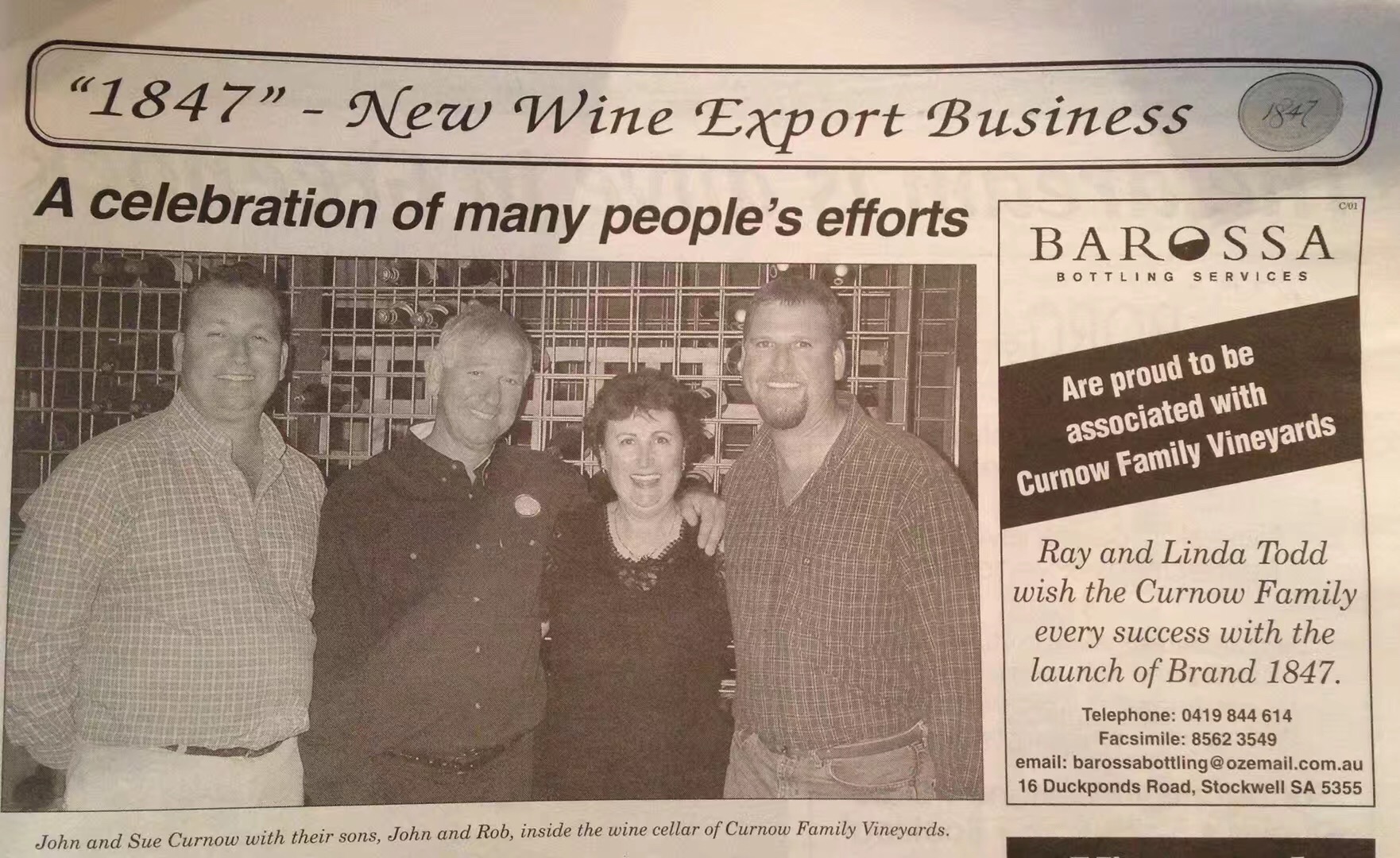
Sydney developers John and Sue Curnow acquired two vineyards in Rowland Flat, which included old vines originally planted by Johann Gramp in 1847. After the acquisition, the Curnows discovered the rich history of the estate and learned that some of the original vines planted by Johann Gramp in 1847 still remained. It was this legacy that inspired them to establish their own brand — 1847 Wines. In the years that followed, John and Sue brought 1847 Wines to the international stage, gaining recognition in markets such as the United States, Singapore, Hungary, Hong Kong, and mainland China.
1991
After acquiring the Rowland Flat vineyard, the Curnows uncovered the estate’s rich history and learned that some of the original vines planted by Johann Gramp in 1847 still remained on the property. This remarkable heritage became the inspiration for John and Sue Curnow to name their brand “1847 Wines.”
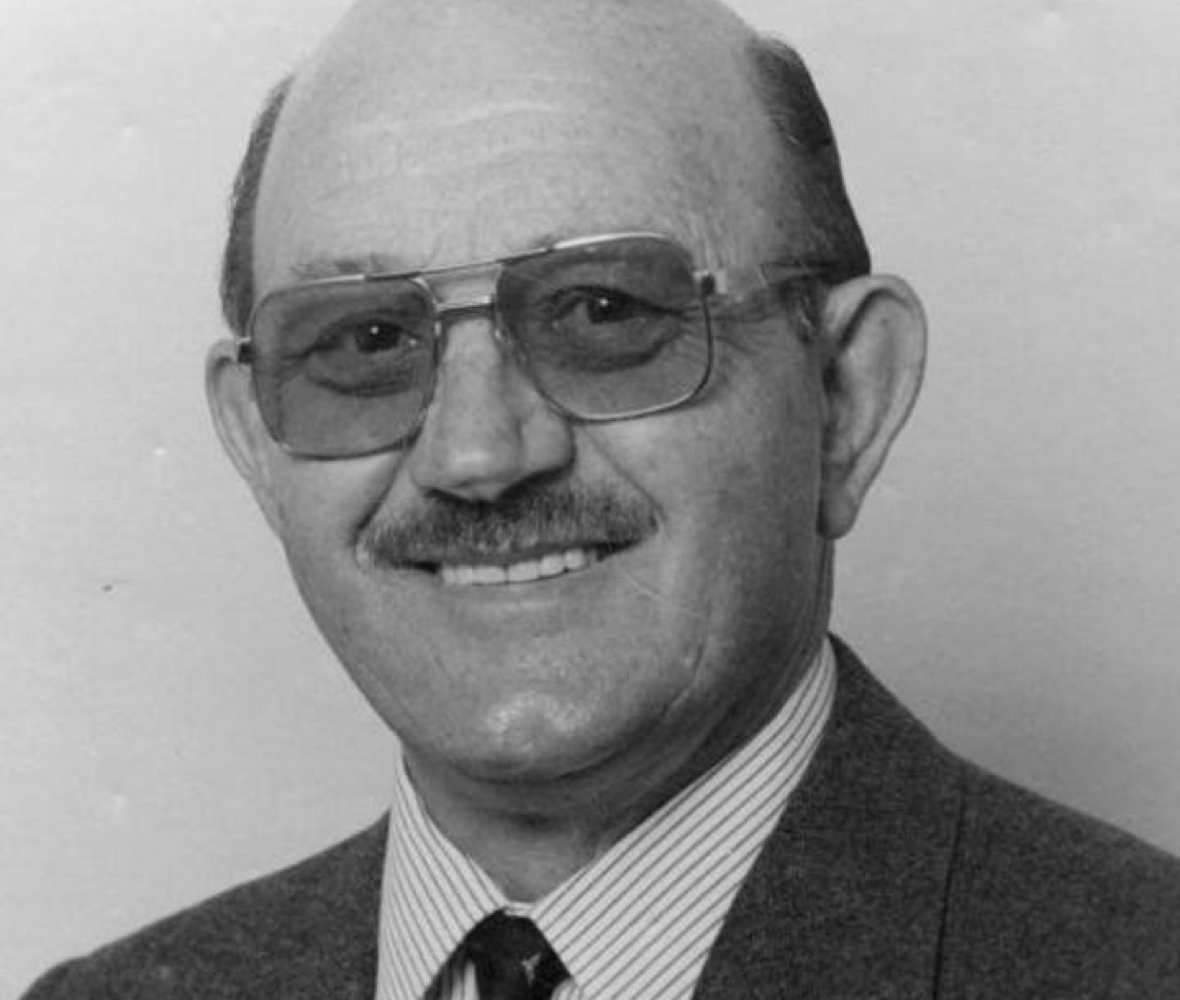
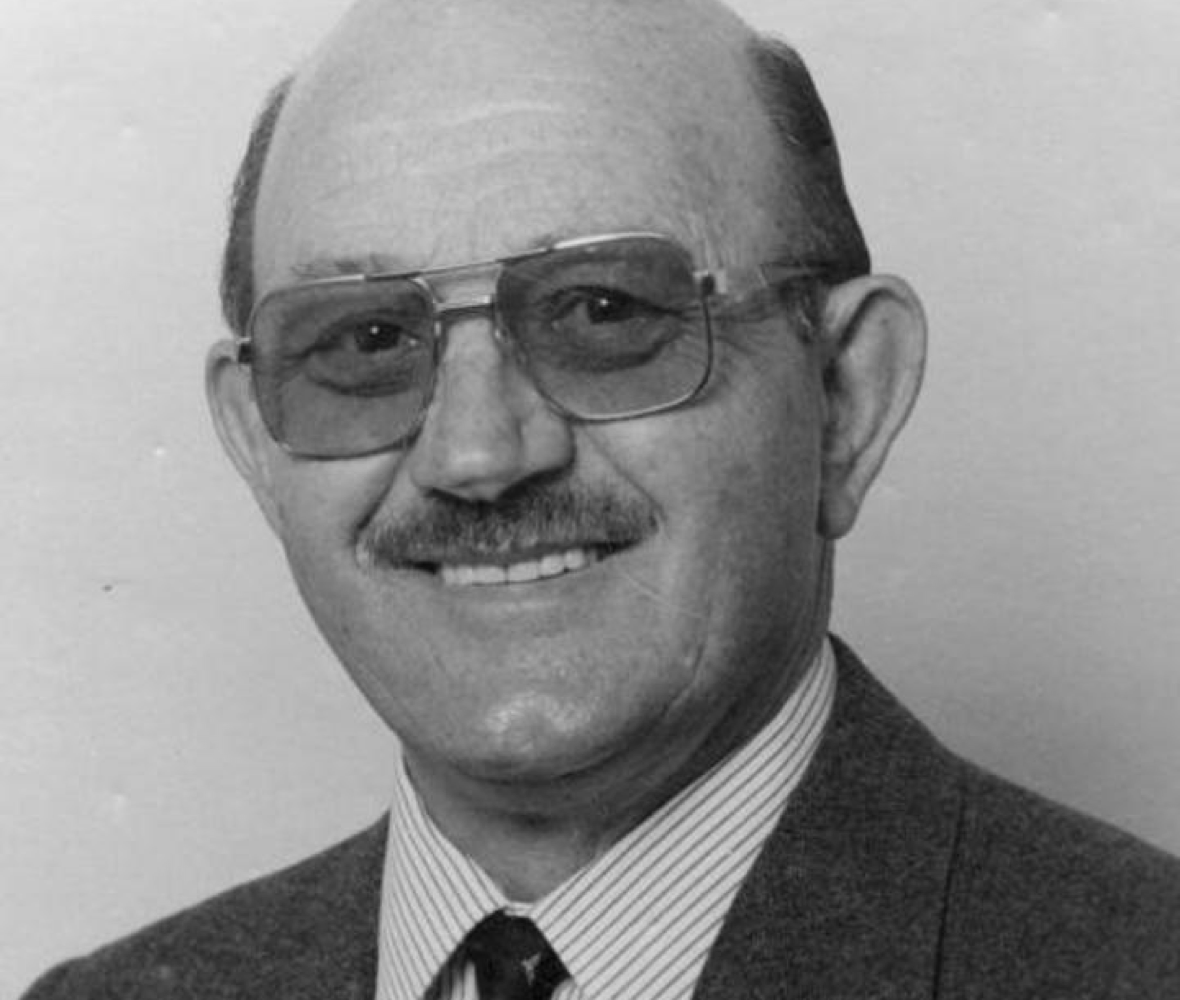
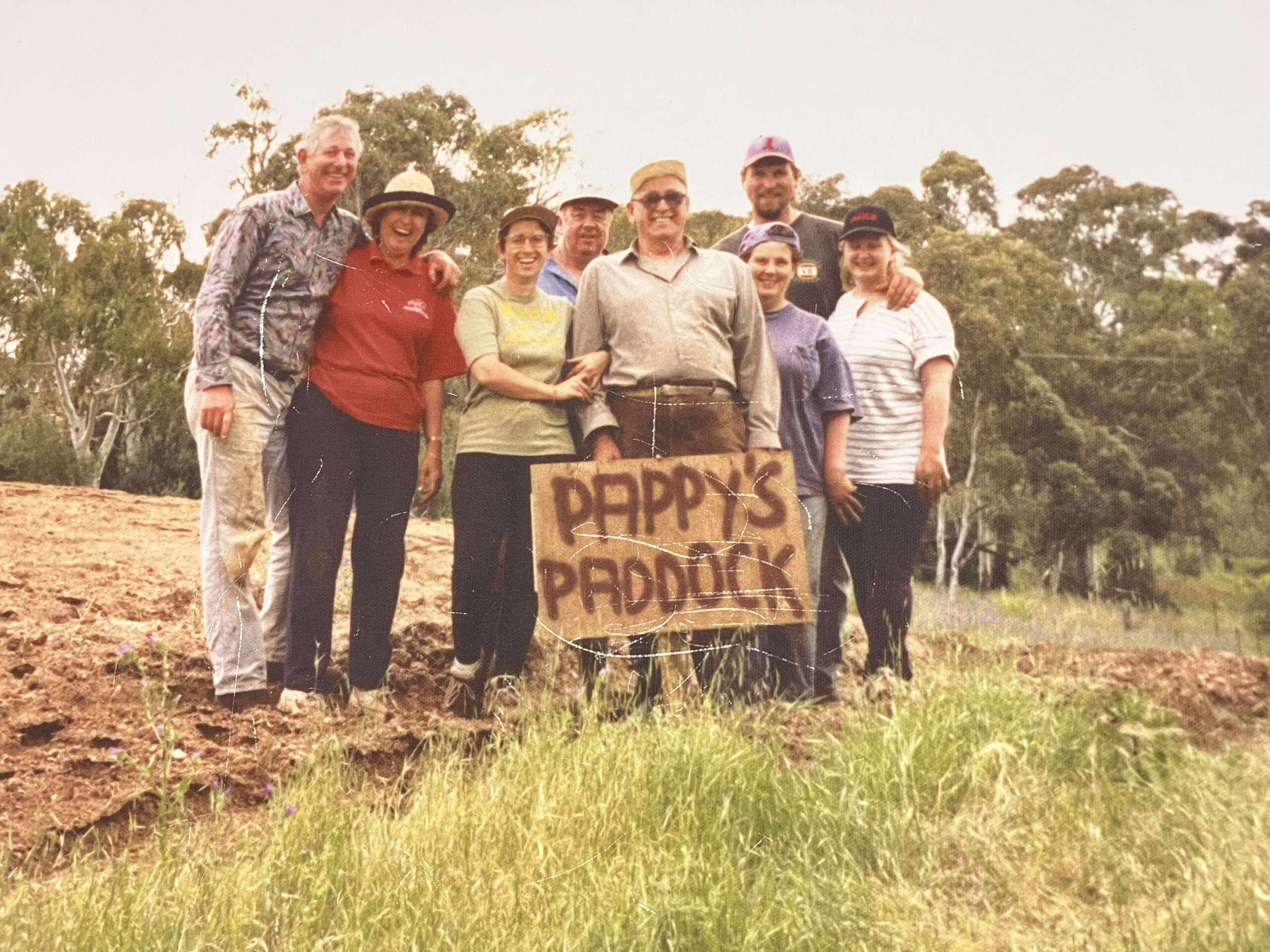
As a tribute to the third-generation owner, they named the first vineyard planted under 1847 Wines “Pappy’s Paddock.” To this day, the wine from this vineyard remains a faithful expression of the Gramp family’s deep respect for the land, unwavering commitment to quality, and the enduring bonds of family across generations.
2004
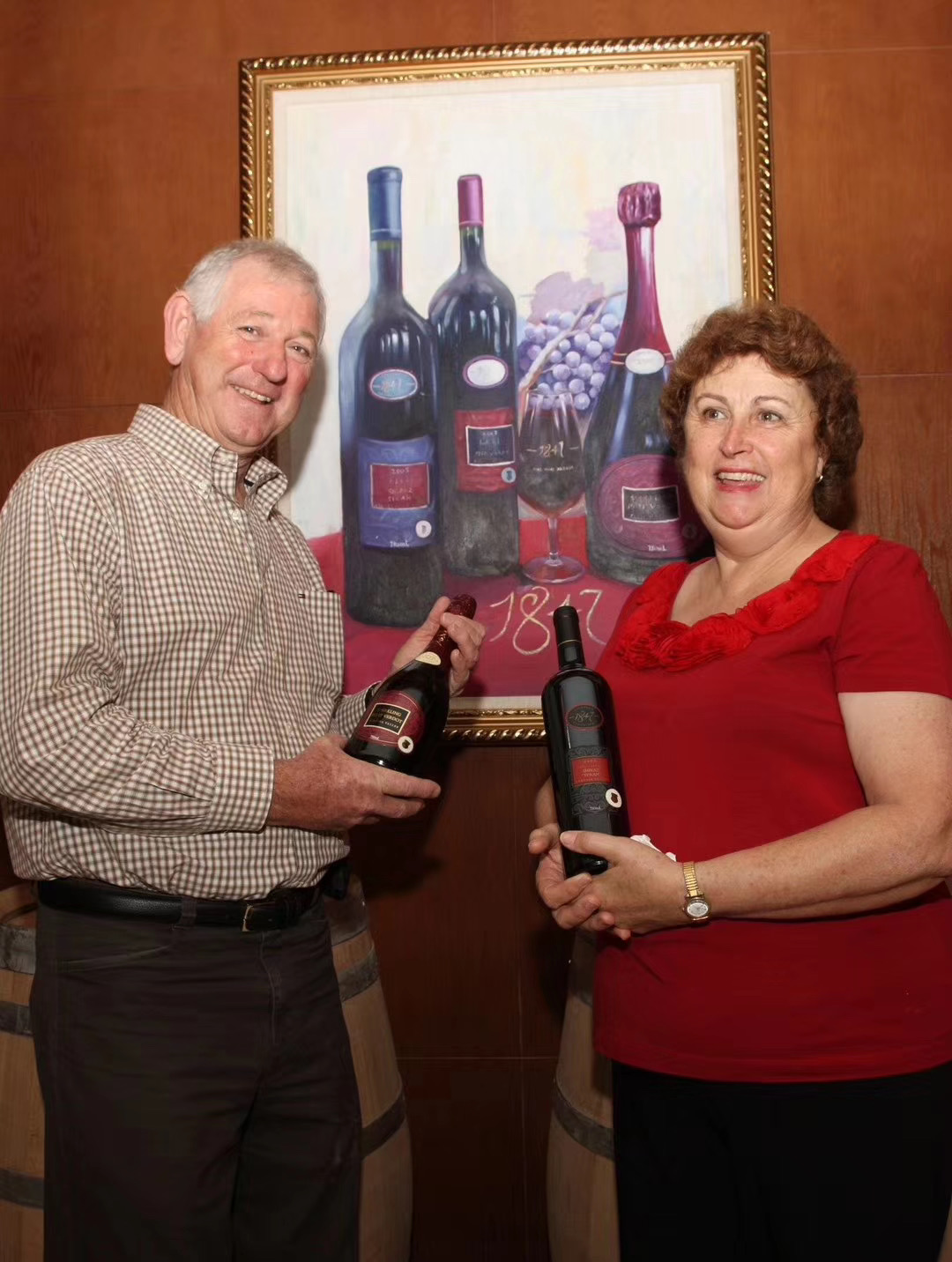
In the following years, John and Sue promoted 1847 Winery’s flagship wine, Pappy’s Paddock, across the globe and entered it into various wine competitions, earning international acclaim. The wine gained popularity in markets such as the United States, Singapore, Hungary, Hong Kong, and mainland China.
In the 21st century
Entering the 21st century, 1847 Winery has remained true to its traditional winemaking roots while actively embracing modern innovation. It has launched new products that embody youthful energy and seamlessly integrated wine culture with tourism and lifestyle, creating an immersive winery experience that combines fine wine, breathtaking scenery, and boutique accommodation. Meanwhile, the winery continues to receive widespread acclaim in global markets, further cementing its international reputation as a premium Australian winery.